1. Essential Gear For Sunny Coastal Riding
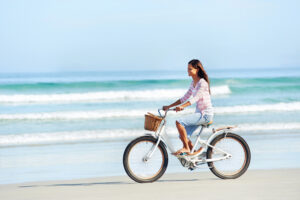
Beach bike accessories help transform an ordinary ride into a comfortable, safe, and enjoyable coastal adventure. Riders who prepare with the right equipment experience smoother pedaling on sand-adjacent paths, better visibility, and improved convenience during long rides. Choosing beach bike accessories that match the environment is the foundation of a positive cycling experience.
Riding near the ocean exposes bikes and gear to sun, salt, and moisture, which can accelerate wear. Quality beach bike accessories can reduce the impact of these conditions and make every ride feel more effortless. From comfort upgrades to safety additions, choosing the right gear allows coastal riders to enjoy the scenery without distraction.
2. Sun Protection Accessories For Coastal Routes
One of the most important categories of beach bike accessories includes sun protection items. Extended coastal riding means long exposure to UV rays, so riders benefit from gear that shields their skin and eyes. Wide-brim bike hats, UV-blocking sunglasses, and moisture-wicking arm sleeves help reduce the effects of intense sunlight.
Some beach bike accessories also focus on reducing glare from the sand and water. Polarized sunglasses are especially useful for coastal cyclists because they help increase clarity on bright days. Riders also frequently choose lightweight, breathable face coverings to protect the nose and cheeks from sunburn.
3. Comfort Upgrades For Relaxed Beach Cruising
Comfort matters when biking long coastal stretches, which is why padded saddles, suspension seatposts, and ergonomic grips remain popular beach bike accessories. These upgrades reduce fatigue during relaxed rides and make it easier to enjoy the fresh ocean breeze.
Extra-wide saddles are beneficial for cruiser-style bikes, while gel-padded grips help reduce wrist strain on uneven boardwalks. Riders who cycle on mixed surfaces—such as sand-kissed trails, sidewalks, and beachfront paths—often appreciate accessories like foam handlebar covers and seatpost shock absorbers.
4. Storage Solutions For Beach Essentials
Convenient storage is a top priority among beach bike accessories. Many riders want to carry towels, sunscreen, phones, water bottles, snacks, and even beach toys. Front baskets, rear racks, pannier bags, and insulated cooler bags help solve this challenge.
Water-resistant bags are especially useful because coastal rides often involve mist, splashes, or brief stops near the shoreline. Some beach bike accessories include sealed pockets for electronics, preventing damage from salt air or sand. A properly mounted basket or rack improves balance and prevents riders from having to carry items by hand.
5. Tire And Wheel Enhancements For Sandy Terrain
For riders who frequently encounter soft sand or uneven beach trails, tire-related beach bike accessories make a major difference. Fat tires provide better stability, while puncture-resistant tubes help minimize flats caused by shells or debris.
Lower tire pressure also increases traction on sandy surfaces, so many cyclists carry a compact pump to adjust pressure during rides. Wide rims and rust-resistant spokes remain common upgrades because they withstand moisture and help maintain performance on coastal terrain.
6. Safety Accessories For Coastal Visibility
Staying visible during coastal rides is important, especially during sunrise or sunset. Lighting systems, reflective pedal straps, and high-visibility vests are essential beach bike accessories for both daytime and evening riding.
LED lights withstand humidity better than traditional bulbs, making them an excellent choice for coastal cyclists. Some lights include waterproof casings and USB-rechargeable functions to help riders maintain consistent visibility on foggy mornings or breezy nights near the shoreline.
7. Anti-Rust And Protective Gear For Salt Exposure
Salt is one of the greatest challenges for coastal riders, and many beach bike accessories focus on minimizing corrosion. Protective sprays, stainless-steel hardware, and rust-proof chains help preserve the bike’s lifespan.
Chain guards and fenders also play a role in preventing sand buildup. Riders who maintain their gear by rinsing the bike after each coastal trip benefit from fewer mechanical issues, smoother pedaling, and longer-lasting components.
8. Hydration And Cooling Accessories For Hot Conditions
Staying hydrated is crucial during coastal cycling. Insulated bottles, bottle cages, and hydration packs remain common beach bike accessories for warm weather riding. Some insulated bottles maintain cool temperatures for hours, offering relief during long, sunny rides.
Cooling towels, misting fans, and ventilated helmets also help riders manage heat. These accessories are lightweight and easy to pack, making them ideal additions for anyone riding regularly near the beach.
9. Portable Repair Tools For Coastal Adventures
Unexpected mechanical problems may occur during long coastal rides. Compact repair kits, mini pumps, multi-tools, and chain links are practical beach bike accessories that help riders stay prepared for minor issues.
A small waterproof pouch for tools ensures everything stays dry and rust-free. Riders who travel farther along coastal trails often bring spare tubes or portable patch kits to avoid being stranded in remote sections of the shoreline.
10. Beach-Friendly Tech Add-Ons For Modern Riders
Technology has become an important part of cycling, and many riders use gadgets as beach bike accessories to improve navigation, safety, or entertainment. Smartphone mounts, GPS trackers, Bluetooth speakers, and ride-tracking apps help cyclists enhance their coastal experience.
However, coastal environments require water-resistant or sand-proof tech mounts. Shock-absorbing phone cases and sealed handlebar mounts offer additional protection from moisture and vibrations.
References
- https://www.cyclingweekly.com
- https://www.bicycleguider.com
- https://www.rei.com/learn/expert-advice/biking